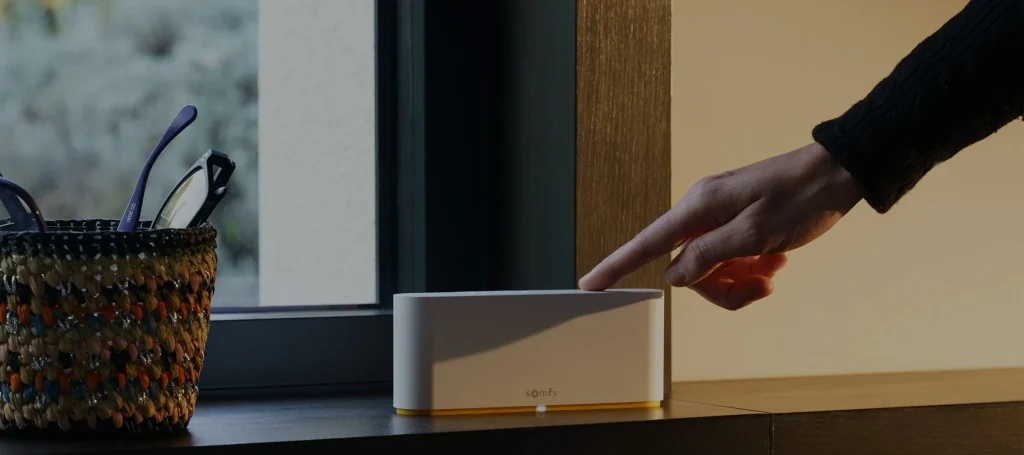

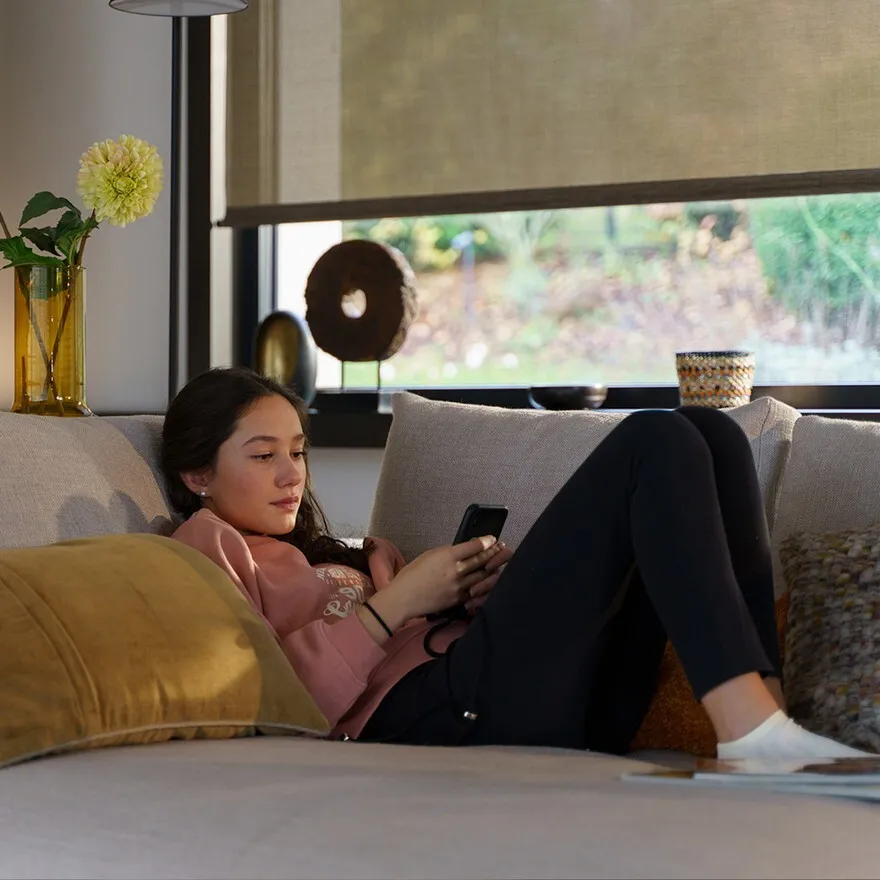
A room should be comfortable before anyone has been given a tour of its technology. When planning window controls, imagine arriving as a guest with no knowledge of the product names, groups, or routines behind the setup.
Make the main action easy to find
Identify the action someone is most likely to need first. In a guest bedroom, that may be closing the shade for privacy. Decide where that control belongs in relation to the bed, the door, and the other things a guest will naturally look for.
Keep the language familiar
Use the same room and window names on any written instructions that appear in the controls themselves. Avoid introducing a different name just because it sounds shorter. A person should not have to guess whether two labels refer to the same shade.
Explain the exception, not every feature
If a routine affects the room at a particular time, explain how to make an individual adjustment using the installed controls. Keep the everyday instructions brief and make the full product documentation available elsewhere.
An understandable room gives people confidence without asking them to learn the whole system.
Try a fresh pair of eyes
Ask someone who was not involved in the planning to try the main controls. Notice where they hesitate and which words they use to describe what they expect. Use those observations to improve the labels and handover notes before treating the room as finished.